Origins of Halloween
The Origin of the Jack-o'-Lantern
Long before pumpkins, there were turnips. In parts of Ireland, Scotland and the Isle of Man, people carved faces into turnips, mangel-wurzels and other roots around Samhain and All Hallows' Eve. Here is how that rustic lantern crossed the Atlantic and became the grinning orange face of an American October.
The short answer
The jack-o'-lantern began as a carved root lantern in Ireland, Scotland and nearby regions, linked in folklore to the tale of Stingy Jack, a trickster doomed to wander with an ember in a hollowed turnip. Irish and Scottish immigrants brought the custom to North America in the nineteenth century, where the larger, easier-to-carve pumpkin replaced the turnip.
Key points
- The earliest carved Halloween lanterns in the British Isles were usually turnips or other roots, not pumpkins.
- 'Jack-o'-lantern' first meant a night watchman or a will-o'-the-wisp marsh light before it meant a carved vegetable.
- The Stingy Jack legend gives the lantern a story, but it is folklore, not a documented origin.
- Pumpkins became the standard in nineteenth-century America because they were plentiful and roomy.
- By the early 1900s, paper and papier-mâché jack-o'-lanterns were mass-produced decorations.
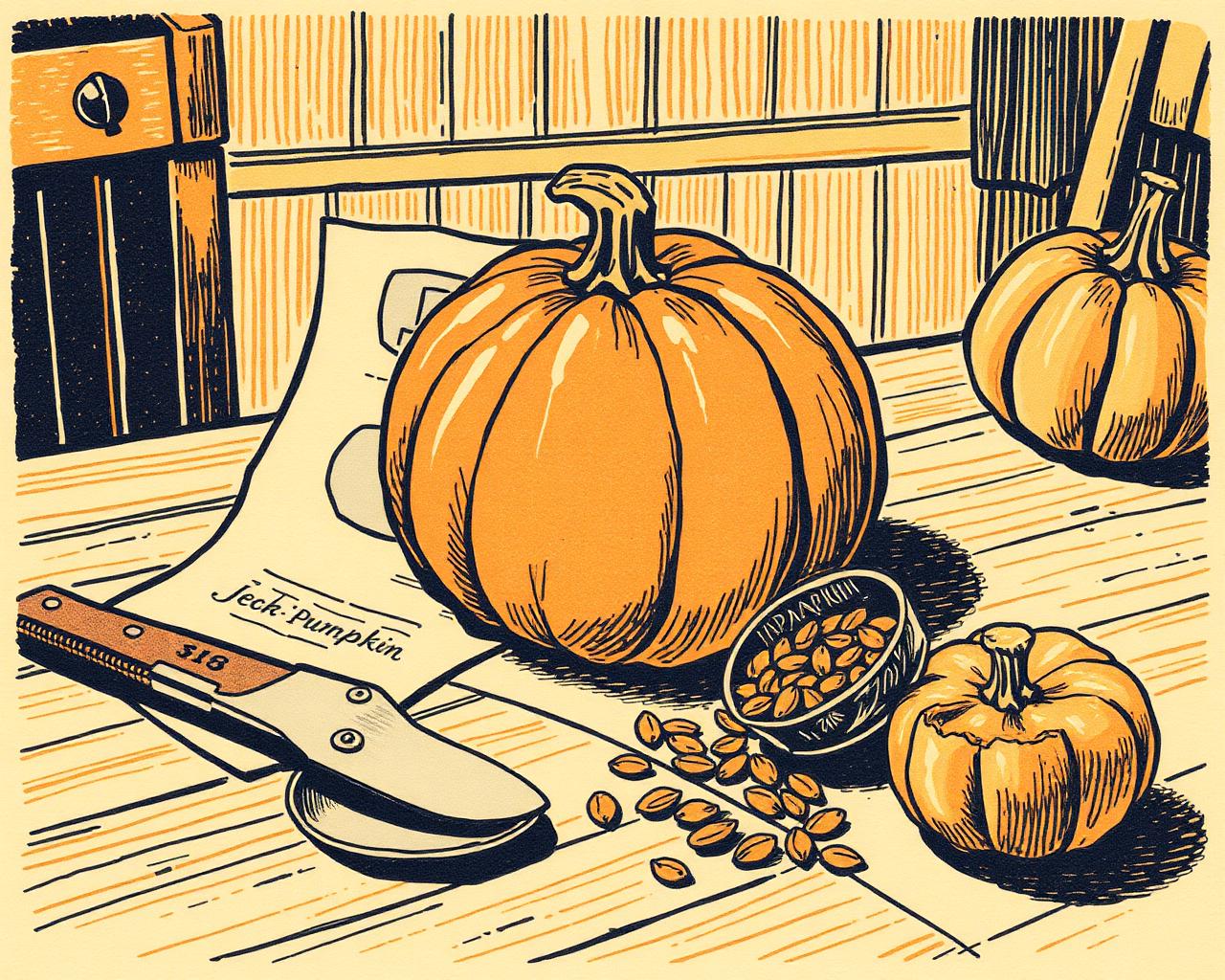
Turnip Lanterns and the Legend of Stingy Jack
Carved roots lit by a coal or candle were carried or set in windows at the turn of the season. Folklore supplied a reason for the face.
The Tale of Stingy Jack
The best-known story is told in many versions across Ireland.
Common story elements
- A drinker and trickster named Jack
- The Devil, tricked more than once
- Heaven and Hell both refusing him
- A burning ember in a hollowed turnip
How the tale goes
Jack tricks the Devil into a promise not to claim his soul.
When Jack dies, Heaven will not admit a scoundrel.
The Devil keeps his promise and turns him away too, tossing him a coal from Hell.
Jack sets it in a carved turnip and wanders the dark ever after: Jack of the lantern.
Marsh Lights and Night Watchmen
The name came before the carving.
Earlier meanings
- A man carrying a lantern at night
- Will-o'-the-wisp: strange lights over bogs
- Regional names such as 'Jack-a-lantern'
What the record shows
In seventeenth-century England the phrase described a night watchman or lantern-bearer.
It also named eerie marsh lights said to lead travelers astray.
Only later did it attach to carved Halloween lanterns.
Treat any single 'first use' claim cautiously; local customs varied.
How the Pumpkin Took Over
In North America the pumpkin was a native, abundant autumn crop, already tied to harvest suppers and pies.
Crossing the Atlantic
Immigration brought the custom; American farms supplied a better lantern.
Why pumpkins won
- Larger, softer flesh to carve
- Plentiful at harvest time
- Room for a candle
- Already an autumn symbol
The timeline in brief
Irish and Scottish immigrants carried Halloween customs to North America in the 1800s.
Carved pumpkin lanterns appear in American writing during the nineteenth century, sometimes with no Halloween link at all.
By the late 1800s magazines described jack-o'-lanterns at Halloween parties.
In the early 1900s, manufacturers sold paper and papier-mâché versions alongside the real thing.
Frequently Asked Questions
- Were the first jack-o'-lanterns pumpkins?
- No. In Ireland, Scotland and nearby regions, people traditionally carved turnips, mangel-wurzels or other roots. Pumpkins became the norm in North America.
- Who was Stingy Jack?
- A figure from Irish folklore who tricked the Devil and was refused entry to both Heaven and Hell, so he roams with an ember in a carved turnip. It is a legend, not a record of a real person.
- Why is it called a jack-o'-lantern?
- The phrase once meant a man carrying a lantern, and also the will-o'-the-wisp lights seen over marshes. It later became the name for carved Halloween lanterns.